

Blog

The Ultimate Guide to Eyeglass Frames

Everything You Need to Know About Eyeglass Frames

Selecting eyeglass frames is a critical decision that goes far beyond basic vision correction. Frames influence comfort, durability, facial harmony, and even brand perception in the optical industry. For retailers and buyers looking to scale their business, understanding market dynamics and sourcing options—especially Wholesale purchase of the best eyeglass frames—plays a vital role in long-term success. This comprehensive guide provides an in-depth exploration of eyeglass frames, covering materials, styles, trends, and professional buying strategies.

 The Role of Eyeglass Frames in Modern Eyewear

Eyeglass frames are the foundation of any eyewear product, providing structural support while defining the overall aesthetic. A well-designed frame enhances the effectiveness of lenses and ensures long-term comfort for daily wear.

In today’s market, frames are also considered a fashion accessory, reflecting personal style and lifestyle preferences. This shift has increased demand for diverse designs, premium materials, and customizable options across global markets.

 Eyeglass Frame Materials Explained in Detail

Plastic Eyeglass Frames

Plastic frames remain one of the most popular categories due to their flexibility in design and wide range of color options. They are suitable for both casual and fashion-forward eyewear collections.

These frames are typically lightweight and comfortable, making them ideal for prolonged use. Advances in manufacturing have also improved their durability and finish.

 Acetate Eyeglass Frames

Acetate frames are crafted from plant-based materials, offering superior strength and rich color layering. Unlike standard plastic, acetate allows for deeper hues and intricate patterns.

This material is hypoallergenic and adjustable, which makes it a premium choice for high-end eyewear brands and optical retailers.

Injection-Molded Plastic Frames

Injection-molded frames are mass-produced and cost-efficient, making them suitable for large-scale distribution. While they lack the refinement of acetate, they offer consistency and affordability.

These frames are commonly used in entry-level eyewear collections and promotional optical products.

 Metal Eyeglass Frames

Metal frames are valued for their sleek appearance and strong structural integrity. They are often chosen for professional and minimalist eyewear designs.

Their thin profile and durability make them ideal for users seeking a lightweight yet sturdy frame solution.

 Stainless Steel Frames

Stainless steel frames offer corrosion resistance and long-lasting performance. They are suitable for daily wear and maintain their shape over time.

This material is also budget-friendly compared to premium metals, making it popular among mid-range eyewear brands.

 Titanium Eyeglass Frames

Titanium frames are known for exceptional strength, flexibility, and ultra-lightweight properties. They provide superior comfort, especially for extended use.

Although more expensive, titanium frames are often associated with luxury eyewear due to their longevity and premium feel.

 Memory Titanium Technology

Memory titanium frames can bend under pressure and return to their original shape without damage. This feature significantly increases durability and user satisfaction.

Such frames are particularly suitable for active lifestyles and demanding daily environments.

 Eyeglass Frame Styles and Visual Impact

Timeless Eyeglass Frame Designs

Classic frame styles continue to dominate the eyewear market due to their universal appeal. These designs remain relevant regardless of changing fashion trends.

They are often preferred by customers seeking reliability, elegance, and long-term usability.

 Round Eyeglass Frames

Round frames soften sharp facial features and create a balanced appearance. They are especially suitable for individuals with square or angular face shapes.

This style is often associated with vintage aesthetics and intellectual appeal.

Rectangular Eyeglass Frames

Rectangular frames provide structure and definition, making them ideal for round or oval faces. They are commonly used in professional and corporate settings.

Their clean lines and modern look contribute to a confident and polished appearance.

 Contemporary and Trend-Driven Frames

Modern eyewear trends emphasize individuality, bold shapes, and unique color combinations. These frames appeal to fashion-conscious consumers and younger demographics.

Design innovation plays a key role in differentiating brands within competitive markets.

 Cat-Eye Eyeglass Frames

Cat-eye frames are a timeless favorite in women’s eyewear, offering elegance and a retro-inspired silhouette. They enhance facial contours and add a stylish edge.

This design continues to evolve with modern materials and color variations.

 Oversized Eyeglass Frames

Oversized frames create a strong fashion statement while providing wide lens coverage. They are often associated with celebrity and luxury eyewear trends.

These frames are ideal for customers seeking bold and expressive accessories.

Transparent Frame Designs

Transparent frames offer a minimalist and contemporary look that complements various face shapes. Their subtle appearance makes them versatile for everyday wear.

This trend has gained popularity due to its modern aesthetic and lightweight feel.

 Practical Factors in Choosing Eyeglass Frames

Comfort and Ergonomic Design

Comfort is a critical factor when selecting eyeglass frames, as poorly fitted frames can cause discomfort and fatigue. Proper sizing ensures balanced weight distribution on the face.

Key elements such as bridge width, temple length, and nose pad design directly affect user experience.

Lifestyle and Usage Considerations

Different lifestyles require different frame features. Active users benefit from flexible and impact-resistant materials, while office professionals may prefer refined designs.

Understanding customer habits helps in selecting frames that align with daily activities.

 Lens Compatibility and Prescription Needs

Not all frames support advanced lens types such as progressive or high-index lenses. Ensuring compatibility is essential for optimal visual performance.

Retailers should always consider prescription requirements when recommending frames.

 Global Eyeglass Frame Trends and Innovations

Sustainable and Eco-Friendly Frames

Sustainability has become a major focus in the eyewear industry, with increasing demand for environmentally responsible materials. Brands are adopting recycled and bio-based components.

These frames appeal to conscious consumers seeking ethical purchasing options.

 Natural Material Frames

Frames made from wood and organic fibers offer a distinctive and handcrafted appearance. Each piece is unique, adding value to niche eyewear collections.

This segment continues to grow as sustainability gains importance worldwide.

Technological Advancements in Frames

Smart eyewear innovations are reshaping the industry by integrating technology with traditional frame design. These advancements enhance functionality and user comfort.

Technology-driven frames are becoming increasingly popular among digital professionals.

Blue-Light Protection Frames

Blue-light filtering frames help reduce eye strain caused by prolonged screen exposure. They are widely used in work-from-home and office environments.

This category has seen rapid growth due to increased digital device usage.

Rising Demand in Corporate Markets

Corporate professionals and remote workers are driving demand for blue-light eyewear. This trend is expected to continue as screen time increases globally.

Retailers offering these frames gain a competitive advantage.

 Wholesale Strategy for Eyeglass Frames

Advantages of Bulk Purchasing

Wholesale purchasing allows retailers to reduce costs, maintain inventory consistency, and improve profit margins. It also provides access to a wider product range.

Bulk buying is essential for scaling optical businesses efficiently.

 Quality Assurance in Wholesale Orders

Reliable wholesalers maintain strict quality control standards across materials and manufacturing processes. This ensures consistent product performance.

Strong supplier relationships also support long-term business growth.

 Selecting the Right Wholesale Supplier

Product Range and Design Variety

A diverse frame catalog enables retailers to cater to different customer segments. Variety is crucial for meeting changing fashion demands.

Suppliers offering frequent updates provide added value.

 Branding and Customization Services

Many wholesalers offer private labeling, logo engraving, and custom packaging. These services help businesses build brand identity.

Customization enhances customer recognition and loyalty.

 Understanding MOQ Requirements

Minimum order quantities impact inventory planning and budgeting. Clear MOQ terms allow better financial management.

Retailers should align MOQ levels with sales forecasts.

Conclusion

Eyeglass frames represent a fusion of design, comfort, and innovation. Understanding materials, styles, trends, and wholesale strategies empowers buyers and retailers to make informed decisions.

By investing in quality frames and aligning offerings with market demand, businesses can achieve sustainable growth while delivering exceptional value to customers.
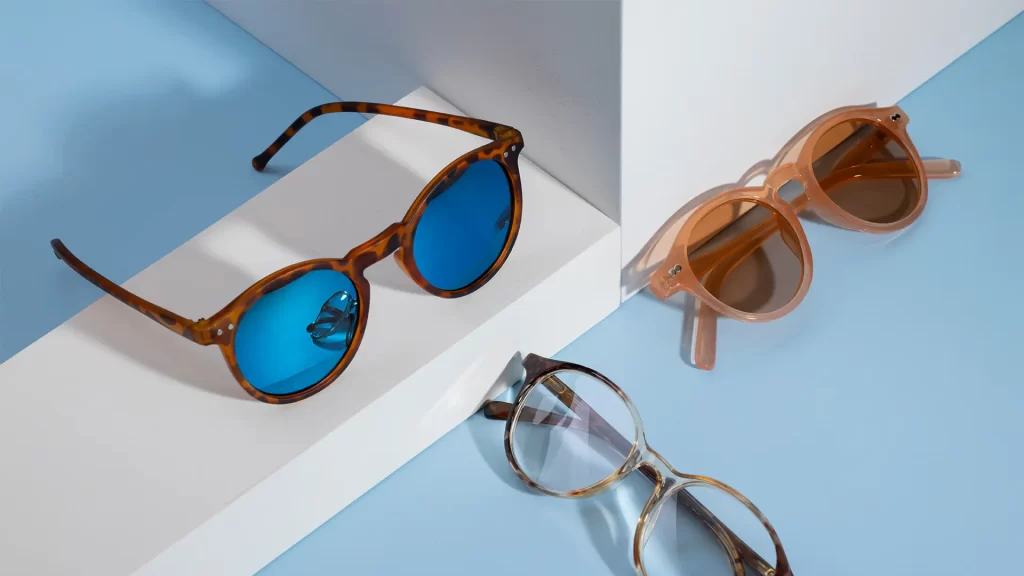

Types of Eyeglass Materials

Types of Eyeglass Materials: The Complete Guide

Choosing the right material for eyeglass frames is crucial for both comfort and durability. Whether you are an individual looking for personal eyewear or a retailer considering Bulk purchase of eyeglasses, understanding the different materials available is essential. The choice of frame material not only affects the look and style of your glasses but also determines longevity, weight, flexibility, and even cost. This guide explores the most common types of eyeglass materials and their unique features to help you make an informed decision.

 Introduction to Eyeglass Materials

Eyeglass frames come in a wide variety of materials, each offering different benefits for comfort, style, and functionality. Some materials are lightweight and flexible, ideal for daily wear, while others are rigid and robust, suitable for premium or designer frames. Choosing the right material depends on your lifestyle, face shape, personal style, and budget. Modern eyeglass materials combine technology, aesthetics, and durability to meet diverse consumer needs.

Understanding frame materials also benefits retailers and distributors who aim to stock high-quality products that appeal to multiple customer segments. In the following sections, we will explore plastic, metal, combination, and specialty materials in detail.

 Plastic Eyeglass Materials

Acetate Frames

Acetate is a high-quality plastic made from natural cotton or wood fibers, offering exceptional strength and flexibility. It allows for vibrant colors and intricate patterns, making it a popular choice for fashion-conscious consumers.

Acetate frames are hypoallergenic, lightweight, and adjustable, which enhances comfort. They can be heated and reshaped, making them perfect for custom fitting. Retailers often favor acetate frames because they combine style, quality, and a premium feel, which appeals to customers willing to invest in long-lasting eyewear.

 Injection-Molded Plastic

Injection-molded plastic frames are produced using a mold, which allows for mass production and cost efficiency. These frames are durable and lightweight but typically lack the color depth and luxury feel of acetate.

Despite being more affordable, injection-molded frames are widely used in retail and wholesale markets because they offer consistent quality and variety. This material is ideal for promotional items or entry-level eyewear collections.

 Nylon Frames

Nylon is a flexible and strong synthetic material commonly used in sports eyewear. It is resistant to temperature changes, corrosion, and impact, making it ideal for active lifestyles.

Nylon frames can be mixed with other materials to enhance durability and performance. Sports eyewear brands often choose nylon because it maintains its shape under stress while remaining lightweight.

 Metal Eyeglass Materials

Metal frames offer a sleek appearance and durable structure. They are suitable for professional settings and minimalist styles, providing both elegance and practicality.

 Stainless Steel

Stainless steel is an affordable metal option known for corrosion resistance and durability. It is lightweight and maintains its shape over time, making it a practical choice for everyday wear.

Stainless steel frames are ideal for individuals seeking a balance between quality and cost. They are often used in mid-range eyeglass collections due to their long-lasting performance.

 Titanium Frames

Titanium frames are extremely lightweight, flexible, and durable. They are hypoallergenic and resistant to corrosion, making them ideal for premium eyewear collections.

Titanium’s flexibility allows for adjustable frames that can withstand everyday wear without breaking or bending permanently. This material is often found in high-end designer collections and is favored by those who value comfort and longevity.

Memory Titanium

Memory titanium frames are designed to bend under pressure and return to their original shape. This unique property increases durability, reduces breakage, and improves user satisfaction.

Memory titanium is particularly useful for children, athletes, and individuals with active lifestyles who require resilient eyewear that can endure rough handling.

 Aluminum and Other Metals

Aluminum frames are lightweight and corrosion-resistant but may lack the flexibility of titanium or stainless steel. Other specialty metals, including beryllium and monel, offer different combinations of strength, weight, and style.

Retailers often select metal frames for their premium appeal, professional look, and variety of finishes, including polished, matte, and brushed textures.

 Combination Frames

Combination frames incorporate both metal and plastic elements to leverage the strengths of each material. Typically, the bridge and temples are made of metal, while the rims around the lenses are plastic.

This hybrid approach allows designers to create versatile frames that are both stylish and functional. Combination frames often appeal to consumers who want the durability of metal and the color variety of plastic in a single pair of glasses.

 Benefits of Combination Materials

Combination frames provide lightweight comfort, structural support, and design flexibility. They are suitable for everyday wear and professional environments where both aesthetics and practicality are important.

Retailers and distributors appreciate combination frames for their broad market appeal, which allows them to target multiple customer demographics simultaneously.

 Specialty Eyeglass Materials

Wood and Bamboo Frames

Wooden and bamboo frames have grown in popularity due to their natural aesthetic and eco-friendly appeal. Each frame is unique, offering customers a handcrafted, premium feel.

Wood and bamboo materials are lightweight and environmentally sustainable. They cater to niche markets that value ethical manufacturing and artistic designs.

 Carbon Fiber Frames

Carbon fiber is an advanced material known for its lightweight strength and modern look. It is extremely durable and ideal for high-performance or luxury eyewear.

Carbon fiber frames are resistant to bending and warping, providing long-term value. Retailers often market these frames as premium products that combine style and technical innovation.

Memory Plastics

Memory plastics can bend and return to their original shape, similar to memory titanium. These frames offer enhanced durability and are particularly useful for children and individuals with active lifestyles.

 Advantages for Wholesale Buyers

Specialty materials, though often more expensive, provide unique selling points for retailers and distributors. Offering diverse materials allows businesses to differentiate themselves in competitive markets and attract customers seeking innovation and style.

 Choosing the Right Material for Your Eyeglasses

When selecting eyeglass materials, consider comfort, durability, lifestyle needs, and aesthetic preferences. Lightweight and flexible materials are ideal for daily wear, while metal or specialty materials provide a premium appearance and long-lasting performance.

For wholesale buyers, understanding material properties is crucial. Stocking a mix of plastic, metal, combination, and specialty frames ensures you meet the demands of different customers while optimizing profit margins.

Retailers can also enhance their offerings by selecting eco-friendly or technologically advanced materials, which appeal to conscious and trend-focused consumers.

 Conclusion

Eyeglass materials play a crucial role in the overall performance, style, and comfort of glasses. From classic acetate and nylon to advanced metals and specialty composites, each material has unique advantages for different users.

For individuals and wholesale buyers alike, understanding the properties of each material allows for informed decisions that enhance customer satisfaction, durability, and market appeal. Investing in high-quality materials ensures that eyeglasses not only serve their functional purpose but also become a stylish and reliable accessory for every wearer.

A Review of Different Types of Prescription Eyeglass Lenses

Understanding the Various Types of Prescription Eyeglass Lenses

Selecting the right prescription eyeglass lenses is essential for optimal vision, comfort, and overall eye health. For retailers and distributors involved in the eyewear industry, understanding lens types is even more critical. Whether you are a business or an individual, knowing the differences in materials, designs, and coatings can help ensure the best choice. Companies focusing on Bulk purchase of eyeglass lenses need to be aware of the variations in lenses to meet customer demands and maintain competitive advantage. This review examines the most common types of prescription eyeglass lenses, their advantages, applications, and the best practices for B2B purchasing.

 Introduction to Prescription Eyeglass Lenses

Prescription eyeglass lenses are customized optical components designed to correct vision problems such as nearsightedness, farsightedness, astigmatism, and presbyopia. Choosing the right lens is crucial because it directly affects clarity, eye comfort, and long-term health.

For businesses in the eyewear supply chain, understanding lens options ensures that they can provide clients with high-quality products suited to their needs. Modern lens technologies combine materials, coatings, and optical designs to create lenses that cater to diverse requirements.

 Lens Materials and Their Benefits

The material of a prescription lens significantly impacts its weight, thickness, durability, and optical clarity. Different materials serve distinct purposes, and choosing the correct one is essential for both personal and commercial purchases.

 Plastic (CR-39) Lenses

Plastic lenses, commonly known as CR-39, are widely used due to their affordability, lightweight, and satisfactory optical quality. They are ideal for general-purpose eyewear and everyday use.

CR-39 lenses are easily tinted for sunglasses and can support coatings like anti-reflective, scratch-resistant, and UV protection. In B2B bulk orders, CR-39 offers a cost-effective option while maintaining good quality for end-users.

 High-Index Plastic Lenses

High-index plastic lenses are thinner and lighter than standard plastic lenses, making them perfect for strong prescriptions. They reduce the bulk of thick lenses and improve comfort for wearers.

High-index lenses are often featured in premium eyewear collections and are attractive to style-conscious consumers who require high-diopter prescriptions. For B2B buyers, stocking high-index lenses can meet the needs of a wide range of customers.

 Polycarbonate Lenses

Polycarbonate lenses are known for their impact resistance and light weight. They are ideal for children, athletes, and anyone who requires durable lenses for active use.

These lenses provide natural UV protection and are less likely to shatter compared to traditional plastic or glass. For wholesale distributors, polycarbonate lenses are a practical choice for schools, sports organizations, and workplaces that prioritize safety.

 Trivex Lenses

Trivex lenses are similar to polycarbonate but offer enhanced optical clarity and comparable impact resistance. They are lightweight and provide full UV protection, making them ideal for premium eyewear solutions.

Trivex is increasingly popular in B2B orders because it combines safety, comfort, and superior optical quality, catering to customers who value both performance and style.

 Glass Lenses

Glass lenses provide excellent optical clarity and high scratch resistance. However, they are heavier and more fragile than modern plastic alternatives.

Glass lenses are still used in high-end fashion or specialty eyewear, where clarity and scratch resistance are priorities over weight. For B2B buyers, glass lenses are a niche product suitable for luxury eyewear collections.

 Lens Designs for Various Vision Needs

Beyond materials, lenses are designed for specific vision corrections. The design affects how the lenses correct sight and how comfortable they are for daily use.

Single Vision Lenses

Single vision lenses correct one type of vision problem, either nearsightedness or farsightedness. They are simple, effective, and widely used.

These lenses are ideal for students, office workers, and everyday users. B2B buyers often include single vision lenses in bulk orders due to their universal applicability and cost-effectiveness.

 Bifocal Lenses

Bifocal lenses contain two distinct optical powers: one for distance and one for near vision. They are mainly prescribed for people with presbyopia and provide convenience without multiple pairs of glasses.

Bifocals are commonly included in workplace or professional eyewear solutions, making them a practical choice for B2B orders targeting older demographics.

Trifocal Lenses

Trifocal lenses add a third focal segment, usually for intermediate vision such as computer work. They provide a complete range of vision correction for distance, near, and intermediate tasks.

Although less common than single vision or bifocals, trifocals serve specialized markets such as office professionals and educational settings. Bulk orders may include trifocals for premium packages.

 Progressive Lenses

Progressive lenses provide a gradual transition between multiple focal lengths, eliminating visible lines. They correct distance, intermediate, and near vision in a single lens.

Progressives are highly popular in modern eyewear because they combine functionality and aesthetics. For B2B buyers, progressive lenses are valuable for selling premium, ergonomic eyewear.

 Computer and Office Lenses

These are specialized progressive lenses optimized for intermediate and near vision, reducing eye strain during computer use. They are particularly popular in corporate environments and educational institutions.

 Advantages for Bulk B2B Orders

Including office and computer lenses in bulk orders allows retailers to address growing workplace eyewear needs. It increases the perceived value of B2B transactions and enhances customer satisfaction.

 Lens Coatings and Treatments

The functionality of lenses can be greatly improved with coatings and treatments. These enhancements protect the lenses and increase their usability.

 Anti-Reflective Coatings

Anti-reflective coatings minimize glare from digital screens, headlights, and bright lights, improving visual clarity and reducing eye strain.

For B2B buyers, AR-coated lenses are ideal for office workers, students, and drivers. They are often a key selling point in bulk orders.

 Scratch-Resistant Coatings

Scratch-resistant coatings extend lens life and maintain clear vision. They are particularly important for plastic lenses, which are more susceptible to surface damage.

Retailers often include scratch-resistant coatings in bulk packages to reduce complaints and enhance product quality.

 UV Protection

UV-protective lenses block harmful ultraviolet rays, preventing long-term eye damage. UV protection is essential for outdoor use and increasingly demanded by health-conscious consumers.

 Blue Light Filtering Lenses

Blue light lenses filter digital screen light, reducing eye strain and fatigue. They are highly sought after in office and educational environments.

 Photochromic Lenses

Photochromic lenses automatically adjust to changing light conditions, darkening outdoors and becoming clear indoors. They provide convenience and all-day UV protection, appealing to active users.

Choosing the Right Prescription Lenses

When selecting prescription lenses, factors to consider include material, design, coatings, and intended use. For B2B buyers, understanding client preferences and lifestyle needs ensures the right product selection.

Stocking diverse lens types ensures retailers can meet the needs of different consumer groups, from students and professionals to fashion-conscious adults. Premium lenses with advanced coatings and specialized designs can increase customer satisfaction and profitability.

 Conclusion

Prescription eyeglass lenses are more than vision-correcting tools—they are crucial for comfort, style, and long-term eye health. From CR-39 plastic and high-index lenses to polycarbonate, Trivex, and glass, each material has unique advantages for different users.

For B2B buyers and distributors, understanding lens types, materials, and coatings is essential for informed purchasing. Offering high-quality lenses with modern features helps retailers satisfy diverse customer needs, improve brand reputation, and drive growth in the competitive eyewear market.