
Introduction
Eyewear has become an essential part of everyday life, serving purposes that go far beyond vision correction. Modern glasses help people see clearly, protect their eyes from environmental factors, enhance comfort during daily activities, and express personal style. Whether designed for medical, protective, or fashion-related purposes, eyewear continues to play an important role in how people interact with the world around them. If you’re unsure how to choose the right pair, check out our eyewear buying guide
A Brief History of Eyewear
The concept of enhancing vision began with simple magnifying devices that allowed people to enlarge written text and small objects. Over time, advances in optics led to the development of lenses capable of correcting different visual conditions. As knowledge of light refraction improved, eyewear evolved from basic visual aids into highly specialized optical devices.
Throughout history, lens-making techniques became increasingly refined. Craftsmen learned how to shape transparent materials with greater precision, making it possible to improve clarity and comfort for users. As production methods advanced, glasses became more accessible and gradually transformed from rare tools into common personal accessories.
The development of eyewear accelerated alongside scientific progress. New lens designs were introduced to address a wider range of visual conditions, while improvements in frame construction increased durability, comfort, and aesthetic appeal. What once served primarily as a reading aid eventually became a versatile product used for work, sports, travel, and everyday life.
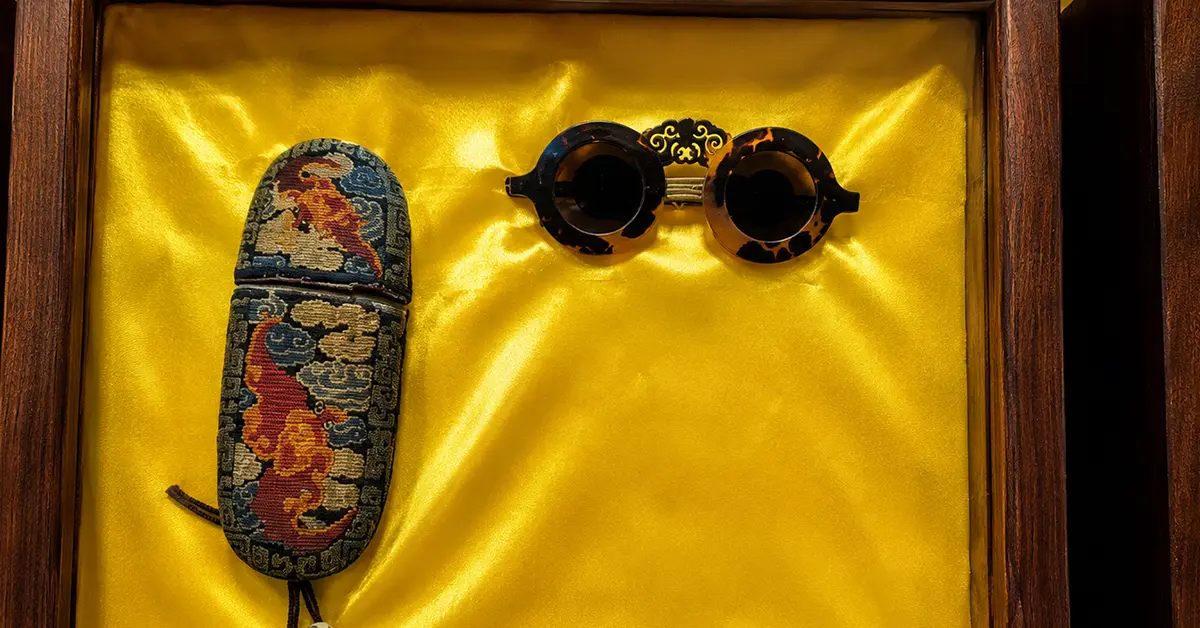
From Functional Tool to Lifestyle Product
Today, eyewear represents a combination of science, technology, and design. Modern consumers expect glasses not only to provide excellent visual performance but also to complement their appearance and lifestyle. As a result, manufacturers focus on creating products that balance optical precision with comfort and fashion.
Contemporary eyewear is available in a wide variety of materials, shapes, and styles. Lightweight metals, advanced polymers, memory materials, and premium composites allow designers to create frames that are both durable and comfortable. At the same time, innovations in lens technology continue to improve visual quality, eye protection, and overall user experience.
Major Categories of Eyewear
Modern eyewear can be broadly divided into several categories based on purpose:
- Prescription glasses for vision correction
- Reading glasses for near-vision support
- Sunglasses for protection against intense sunlight
- Computer glasses designed to reduce digital eye strain
- Sports eyewear for enhanced safety and performance
- Protective eyewear used in industrial and professional environments
- Specialty eyewear developed for unique visual applications
Each category addresses specific visual needs while incorporating technologies that improve comfort, clarity, and eye protection.
The Structure of Modern Glasses
A typical pair of glasses consists of two primary components: lenses and frames.
The lenses are responsible for directing light correctly onto the retina, enabling clear vision and visual comfort. Depending on the user’s needs, lenses may include additional treatments such as anti-reflective coatings, UV protection, scratch resistance, or light-filtering technologies.
The frame serves as the support structure that holds the lenses in position. Modern frame designs focus on achieving the ideal balance between durability, fit, weight, and aesthetics. Features such as adjustable nose pads, flexible hinges, and ergonomic temple designs contribute to a more comfortable wearing experience.
The Growth of the Eyewear Industry
As optical knowledge expanded and manufacturing methods improved, eyewear gradually evolved from a handcrafted product into a highly organized industry. Early production relied heavily on manual skills, with lenses shaped and polished individually. Over time, advances in machinery allowed manufacturers to achieve greater precision, consistency, and production capacity.
The introduction of mechanical lens processing transformed the industry. Manufacturers could produce lenses with more accurate optical properties, resulting in improved visual performance and better comfort for users. At the same time, frame production became more sophisticated, incorporating new materials and engineering techniques.
Modern eyewear manufacturing combines traditional craftsmanship with advanced technology. Automated equipment, digital design systems, precision measurement tools, and quality-control procedures allow manufacturers to create products that meet strict performance standards.
The industry now includes a wide range of specialized sectors, including:
- Frame design and manufacturing
- Lens production
- Lens coating technology
- Optical testing and quality control
- Sports and safety eyewear
- Fashion eyewear
- Contact lens development
- Smart eyewear technologies
The continued growth of these sectors has helped transform eyewear into one of the most innovative areas of personal accessories and vision care.
Eyewear and Cultural Expression
Although eyewear serves a practical purpose, it has also become a powerful form of personal expression. The style, material, shape, and color of a frame can communicate aspects of an individual’s personality, preferences, and lifestyle.
Throughout different periods of history, eyewear has reflected changing trends in design and aesthetics. Decorative details, material choices, and frame shapes have evolved alongside broader developments in fashion and culture.
Today, eyewear is often selected not only for visual performance but also for its ability to complement facial features and personal style. For many people, glasses have become an essential fashion accessory rather than simply a vision aid.
Understanding Lens Materials
The performance of a lens depends greatly on the material from which it is made. Different materials offer unique advantages in terms of clarity, weight, durability, and comfort.
Optical Quality
A high-quality lens should provide excellent transparency and minimal distortion. Clear optical performance allows light to pass through efficiently, helping users experience sharp and comfortable vision.
Strength and Durability
Lens durability is influenced by its resistance to scratching, impact, and everyday wear. Stronger materials tend to maintain their appearance and performance for longer periods.
Flexibility and Stability
Different lens materials respond differently to pressure and movement. Some materials are highly flexible, while others are designed to maintain their shape under stress. Achieving the right balance between flexibility and stability is important for long-term comfort and optical performance.
Weight Considerations
Lightweight lenses improve wearing comfort, especially for individuals who use glasses throughout the day. Advances in material science have made it possible to produce lenses that are both durable and exceptionally light.
The Primary Functions of Lenses
Modern lenses are designed to perform several important tasks:
Vision Correction
The most common function of a lens is to direct light accurately onto the retina, helping individuals achieve clear vision. Different lens designs are used to address various refractive conditions.
Eye Protection
Many lenses are equipped with protective technologies that reduce exposure to harmful environmental factors. These may include ultraviolet protection, glare reduction, and impact resistance.
Visual Comfort
Advanced lens designs help reduce visual fatigue during activities such as reading, computer work, driving, and prolonged screen use.
Specialized Applications
Certain lenses are developed for specific environments or activities, including sports, outdoor recreation, industrial work, and digital device usage.
Sunglasses and Eye Protection
Sunglasses are designed to reduce discomfort caused by bright light while protecting the eyes from potentially harmful radiation. Modern sunglasses combine protective performance with fashionable design, making them one of the most popular forms of eyewear.
High-quality sunglasses help:
- Reduce glare
- Improve visual comfort
- Enhance contrast in bright environments
- Protect against ultraviolet radiation
- Minimize eye fatigue during outdoor activities
The effectiveness of sunglasses depends not only on lens darkness but also on the quality of the optical filters and protective coatings used during manufacturing.
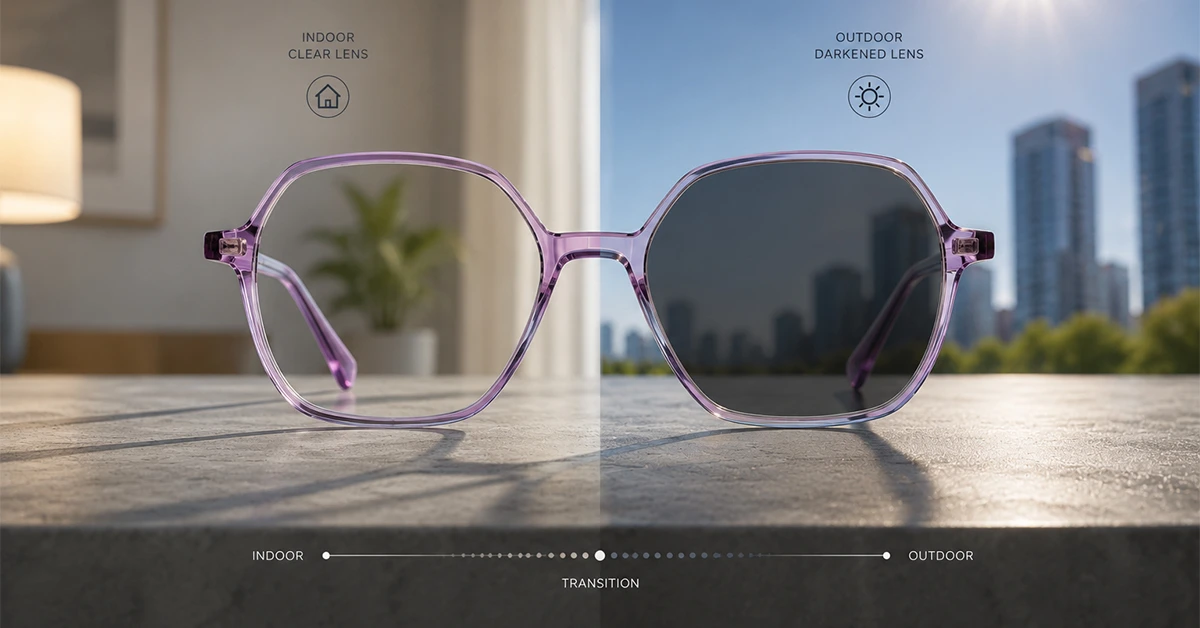
Photochromic Lens Technology
One of the most innovative developments in eyewear is the photochromic lens. These lenses automatically adjust their tint in response to changing light conditions.
In bright outdoor environments, the lenses darken to reduce glare and improve comfort. When the user moves indoors or into lower-light conditions, the lenses gradually return to a clearer state.
This adaptive behavior allows a single pair of glasses to function effectively in a variety of lighting environments, offering both convenience and protection without requiring separate eyewear.
Contact Lenses: A Discreet Alternative
Contact lenses provide vision correction without the visible presence of a frame. Positioned directly on the surface of the eye, they offer a wider field of view and greater freedom during daily activities.
Many people choose contact lenses for aesthetic reasons, while others prefer them for sports, professional activities, or convenience. However, successful contact lens wear depends on proper hygiene, regular maintenance, and adherence to recommended wearing schedules.
Benefits of Contact Lenses
- Natural appearance
- Wide, unobstructed field of vision
- Compatibility with active lifestyles
- Reduced lens fogging in changing temperatures
- Freedom from frame-related pressure points
Considerations Before Use
Although contact lenses are suitable for many individuals, they are not ideal for every situation. Eye health, tear production, environmental conditions, and personal habits should all be considered before choosing contact lenses as a primary vision solution.
Proper cleaning and storage remain essential to maintaining both comfort and ocular health.
Sports Eyewear
Traditional glasses may not provide adequate protection during physical activity. High-impact sports, outdoor adventures, and fast-paced recreational activities place unique demands on eyewear.
Sports eyewear is specifically engineered to address these challenges through enhanced durability, impact resistance, and secure fit.
Key Features
- Lightweight construction
- Flexible frame materials
- Improved impact resistance
- Enhanced grip and stability
- Wider coverage for eye protection
- Ventilation systems that reduce fogging
These features help athletes maintain visual clarity while reducing the risk of injury during movement and physical contact.
Applications
Sports eyewear is commonly used in:
- Cycling
- Running
- Basketball
- Football
- Tennis
- Hiking
- Climbing
- Water sports
- Winter sports
Each activity may require specialized lens technologies and frame designs to maximize performance and safety.
Corrective Lens Technologies
Corrective lenses are designed to compensate for refractive errors by altering how light enters the eye.
Myopia Correction
For individuals who struggle to see distant objects clearly, lenses are designed to shift the focal point onto the retina, improving distance vision.
Hyperopia Correction
People who experience difficulty focusing on nearby objects may benefit from lenses that help bring images into proper focus.
Astigmatism Correction
Astigmatism occurs when the eye focuses light unevenly. Specialized lens designs compensate for these irregularities, improving clarity and reducing visual distortion.
Multifocal Solutions
Many individuals eventually require assistance at multiple viewing distances. Multifocal lens technologies allow users to transition smoothly between near, intermediate, and distance vision without changing glasses.
Specialty Eyewear
As optical technology continues to advance, eyewear is being developed for increasingly specialized applications.
Computer Glasses
Extended screen exposure can contribute to eye fatigue and visual discomfort. Computer glasses are designed to optimize vision for digital environments and reduce strain during prolonged screen use.
Driving Glasses
Driving presents unique visual challenges, particularly during sunrise, sunset, nighttime conditions, or adverse weather. Specialized lenses can improve contrast, reduce glare, and enhance comfort behind the wheel.
Protective Eyewear
In industrial and laboratory environments, eye protection is often essential. Protective eyewear is designed to shield the eyes from physical hazards, airborne particles, and other workplace risks.
Virtual and Immersive Technologies
Modern optical systems are increasingly integrated into immersive digital experiences. Specialized eyewear can enhance visual interaction with virtual environments while maintaining comfort and image quality.
Eyeglass Frame Materials
Frame materials play a major role in durability, comfort, appearance, and overall user experience.
Metal Frames
Metal frames remain popular because of their strength, refined appearance, and long-term durability. Modern manufacturing techniques allow metal frames to remain lightweight while maintaining structural integrity.
Titanium Frames
Titanium is highly valued for its exceptional strength-to-weight ratio. It is lightweight, corrosion-resistant, and comfortable for long-term wear.
Acetate Frames
Acetate offers outstanding design flexibility and allows manufacturers to create frames in a wide range of colors, patterns, and finishes. It remains one of the most popular materials in fashion eyewear.
Memory Materials
Certain advanced materials can return to their original shape after bending. These frames offer improved durability and can better withstand the demands of everyday use.
Composite Materials
Many modern frames combine multiple materials to achieve an ideal balance of comfort, aesthetics, flexibility, and durability.
Advances in Lens Technology
Lens technology has evolved significantly over recent decades. Modern lenses are lighter, thinner, stronger, and more sophisticated than ever before.
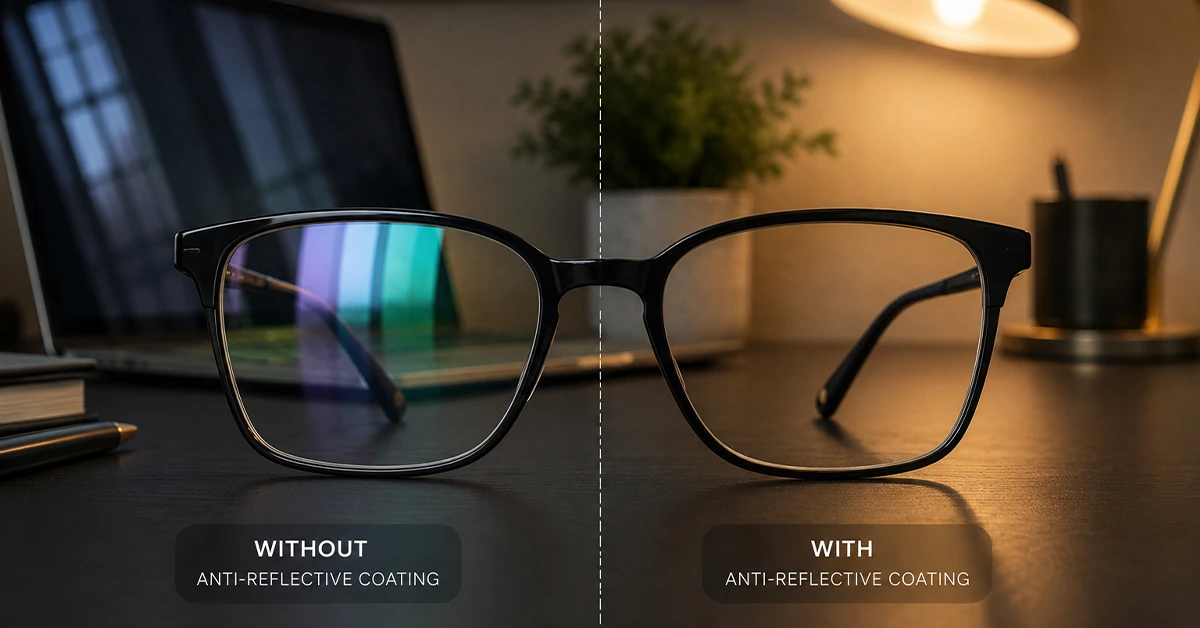
Anti-Reflective Coatings
These coatings reduce unwanted reflections from the lens surface, improving visual clarity and enhancing appearance.
Benefits include:
- Improved nighttime vision
- Reduced glare
- Better visual comfort
- Enhanced cosmetic appearance
Polarized Lenses
Polarized lenses help filter reflected light from surfaces such as roads, water, and snow. This significantly improves comfort and visibility in bright environments.
High-Index Lenses
These lenses allow stronger prescriptions to be produced with reduced thickness, resulting in lighter and more attractive eyewear.
Aspheric Lenses
Aspheric lens designs improve optical performance while reducing bulk. They often provide a more natural appearance compared to traditional lens designs.
Photochromic Lenses
Adaptive tint technology allows lenses to respond automatically to changing light conditions, offering both convenience and protection in a single product.
Evaluating Lens Quality
A high-quality lens should provide accurate optical performance while maintaining durability and visual comfort.
Several characteristics are commonly considered:
- Transparency
- Optical consistency
- Surface quality
- Scratch resistance
- Coating performance
- Impact resistance
- Visual clarity
Even small imperfections can affect the user’s visual experience, making quality control a critical part of lens manufacturing.
Choosing the Right Lenses
Selecting lenses should involve more than simply choosing a prescription.
Factors worth considering include:
- Lifestyle requirements
- Daily activities
- Environmental conditions
- Prescription strength
- Desired lens thickness
- Protective features
- Budget considerations
A carefully selected lens can significantly improve comfort, performance, and long-term satisfaction.
Choosing the Right Frame
The ideal frame should balance appearance, functionality, and comfort.
When selecting a frame, several factors should be evaluated:
- Face shape
- Frame size
- Weight
- Material
- Durability
- Intended use
- Personal style
A frame that looks attractive but feels uncomfortable is unlikely to provide a positive long-term experience. For this reason, fit and comfort should always receive as much attention as aesthetics.
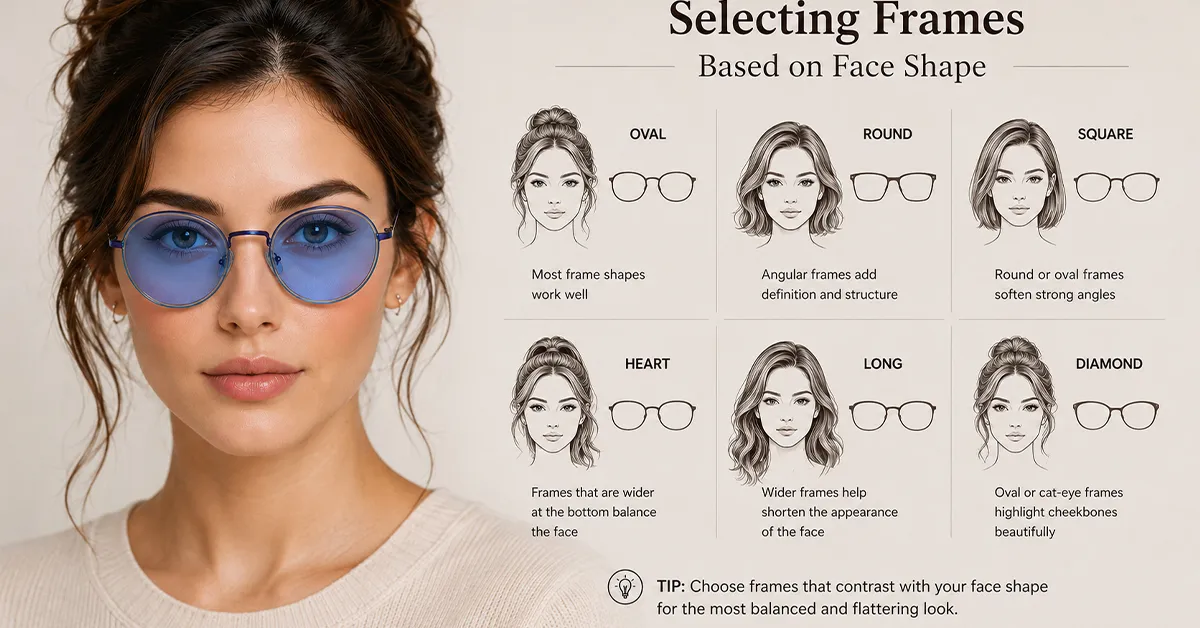
Selecting Frames Based on Face Shape
A well-chosen frame can enhance facial balance, highlight strengths, and create a more harmonious overall appearance. While personal preference remains important, understanding facial proportions can help narrow down suitable options.
Square Faces
Faces with strong jawlines and defined angles often benefit from frames with softer contours. Rounded or gently curved shapes can create visual balance and reduce the appearance of sharp facial lines.
Round Faces
Round faces typically have softer features and similar proportions in width and height. Angular frames can add definition and structure, creating a more balanced appearance.
Oval Faces
Often considered one of the most versatile face shapes, oval faces can accommodate a wide variety of frame styles. The goal is usually to maintain natural balance rather than dramatically alter proportions.
Heart-Shaped Faces
A wider forehead combined with a narrower chin can benefit from frames that create visual balance between the upper and lower portions of the face. Lightweight designs and softer lower frame lines often work well.
Rectangular Faces
Longer face shapes generally benefit from frames that add visual width and reduce the perception of length. Deeper lens shapes can help create a more balanced appearance.
Diamond-Shaped Faces
Faces characterized by prominent cheekbones and a narrower forehead and chin can often be complemented by frames that soften angular features while emphasizing natural facial symmetry.
The Role of Frame Color
Frame color influences not only appearance but also how eyewear interacts with skin tone, hair color, and personal style.
Neutral tones remain popular because they offer versatility and timeless appeal. Dark colors often create a strong, confident appearance, while lighter shades can appear softer and more subtle.
Bold colors and unique patterns allow wearers to express individuality and create distinctive visual statements. Ultimately, the best color choice depends on personal taste, lifestyle, and desired image.
Comfort and Ergonomic Design
Visual performance is only part of the eyewear experience. Comfort plays an equally important role, particularly for individuals who wear glasses throughout the day.
Several factors influence comfort:
Weight Distribution
A lightweight frame reduces pressure on the nose and ears, making long-term wear more comfortable.
Proper Fit
The frame should sit securely without excessive tightness. A properly fitted frame remains stable during movement while avoiding unnecessary pressure points.
Temple Design
Well-designed temples distribute weight evenly and contribute to overall comfort throughout the day.
Nose Support
The contact area between the frame and the nose significantly affects comfort. Proper support helps prevent slipping while reducing localized pressure.
Maintaining Eyewear Performance
Even high-quality eyewear requires proper care to maintain its appearance and functionality.
Daily maintenance can significantly extend product lifespan while preserving optical performance.
Safe Handling
Glasses should be handled using both hands whenever possible. This helps maintain frame alignment and reduces stress on hinges and structural components.
Proper Storage
When not in use, glasses should be stored in a protective case. This reduces exposure to accidental impacts, dust, and surface scratches.
Environmental Considerations
Excessive heat, prolonged sunlight exposure, and harsh chemicals can damage both frames and lenses. Avoid leaving eyewear in environments where extreme temperatures may occur.
Cleaning Lenses Correctly
Lens care directly affects visual clarity and long-term durability.
Recommended Cleaning Process
- Rinse lenses with clean water to remove loose particles.
- Use a lens-safe cleaning solution when necessary.
- Gently dry with a microfiber cloth designed for optical surfaces.
Common Mistakes to Avoid
- Using clothing as a cleaning cloth
- Wiping dry dust from lenses
- Using harsh household cleaners
- Applying excessive pressure while cleaning
Small abrasive particles can create microscopic scratches that gradually reduce lens performance and appearance.
Caring for Contact Lenses
Contact lenses require more attention than traditional eyewear because they interact directly with the eye.
Hygiene First
Hands should always be cleaned thoroughly before handling lenses. Proper hygiene significantly reduces the risk of contamination.
Cleaning and Disinfection
Cleaning solutions are designed to remove deposits and microorganisms that accumulate during daily wear. Following the manufacturer’s instructions is essential for maintaining lens safety.
Replacement Schedules
All contact lenses have a recommended replacement cycle. Replacing lenses on schedule helps maintain comfort, performance, and eye health.
Storage Practices
Lenses should be stored only in approved solutions. Using inappropriate liquids may compromise both lens quality and eye safety.
Maintaining Sunglasses
Sunglasses protect the eyes from environmental stress, but they require the same level of care as prescription eyewear.
Proper maintenance includes:
- Regular cleaning
- Protective storage
- Avoiding abrasive surfaces
- Preventing prolonged exposure to excessive heat
- Inspecting lenses periodically for damage
Maintaining sunglasses properly ensures consistent visual performance and long-term durability.
The Future of Eyewear
The eyewear industry continues to evolve through advances in materials, manufacturing processes, and digital technologies.
Modern developments focus on:
- Enhanced visual performance
- Greater comfort
- Lightweight materials
- Advanced protective coatings
- Personalized optical solutions
- Smart and connected technologies
As innovation continues, eyewear is becoming more than a vision-correction tool. It is increasingly integrating elements of health monitoring, digital connectivity, and adaptive optical systems.
Conclusion
Eyewear represents the intersection of science, craftsmanship, technology, and design. From simple vision aids to highly engineered optical products, glasses have continuously evolved to meet changing human needs.
Modern eyewear enhances visual clarity, protects the eyes, supports daily activities, and allows individuals to express personal style. Advances in materials, lens technologies, ergonomic design, and manufacturing continue to push the industry forward, creating products that are more comfortable, durable, and versatile than ever before.
As technology advances and consumer expectations grow, eyewear will continue to evolve, providing innovative solutions that combine performance, protection, comfort, and aesthetics in a single essential product.