
Choosing the Right Eyewear: A Balance of Fashion, Function, and Comfort
As sunny days become longer and outdoor activities increase, eyewear naturally becomes one of the most important accessories in everyday life. Whether you are spending time at the beach, driving through the city, attending outdoor events, traveling, or simply enjoying warm weather, knowing what to look for when choosing quality eyewear can help you find glasses that offer better comfort, durability, and protection.
Modern eyewear is no longer only about vision correction or sun protection. Today, glasses represent personal identity, fashion taste, lifestyle, and even self-confidence. The right frame can enhance facial balance, complement clothing styles, improve comfort, and protect the eyes from environmental stress. At the same time, choosing the wrong frame can lead to discomfort, poor fit, skin irritation, visual imbalance, and an overall unsatisfactory wearing experience.
Because of the huge variety of frame materials, lens technologies, colors, and styles available today, selecting the perfect eyewear may feel overwhelming. Some people prefer bold acetate sunglasses with thick modern frames, while others are drawn toward lightweight titanium glasses, elegant stainless-steel structures, rimless designs, or minimalist geometric styles.
The good news is that choosing eyewear becomes much easier once you understand the key principles behind frame selection. By considering face shape, skin tone, lifestyle, material quality, frame size, lens technology, and skin sensitivity step by step, you can confidently choose eyewear that combines beauty, protection, and long-term comfort.
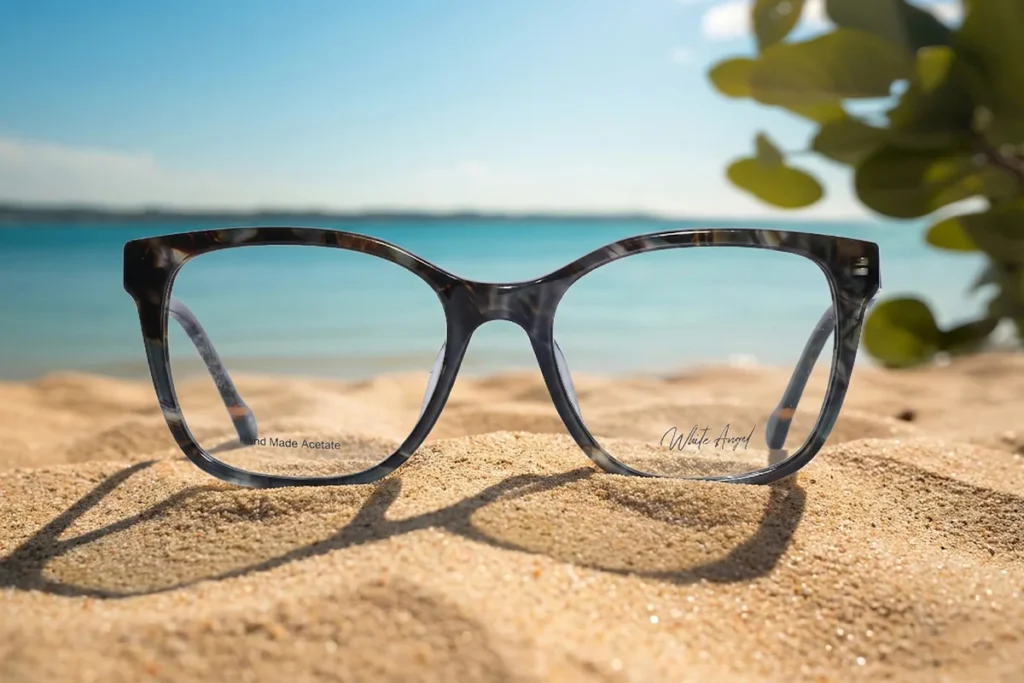
Why Choosing the Right Eyewear Matters
Eyewear directly affects both appearance and physical comfort. A properly selected frame can:
- Improve facial balance
- Enhance personal style
- Increase confidence
- Reduce eye fatigue
- Provide UV protection
- Improve daily comfort
- Prevent skin irritation
- Support long-term wearability
Modern consumers expect eyewear to perform multiple functions simultaneously. Sunglasses should not only look fashionable but also protect the eyes from ultraviolet radiation and glare. Prescription glasses should not only improve vision but also remain comfortable during long working hours.
This is why understanding eyewear materials, frame structure, and ergonomic design has become increasingly important.
Face Shape: The Foundation of Choosing Eyewear
One of the most important factors when selecting glasses or sunglasses is face shape. Different frame styles create different visual effects, and the right combination can greatly improve overall facial harmony.
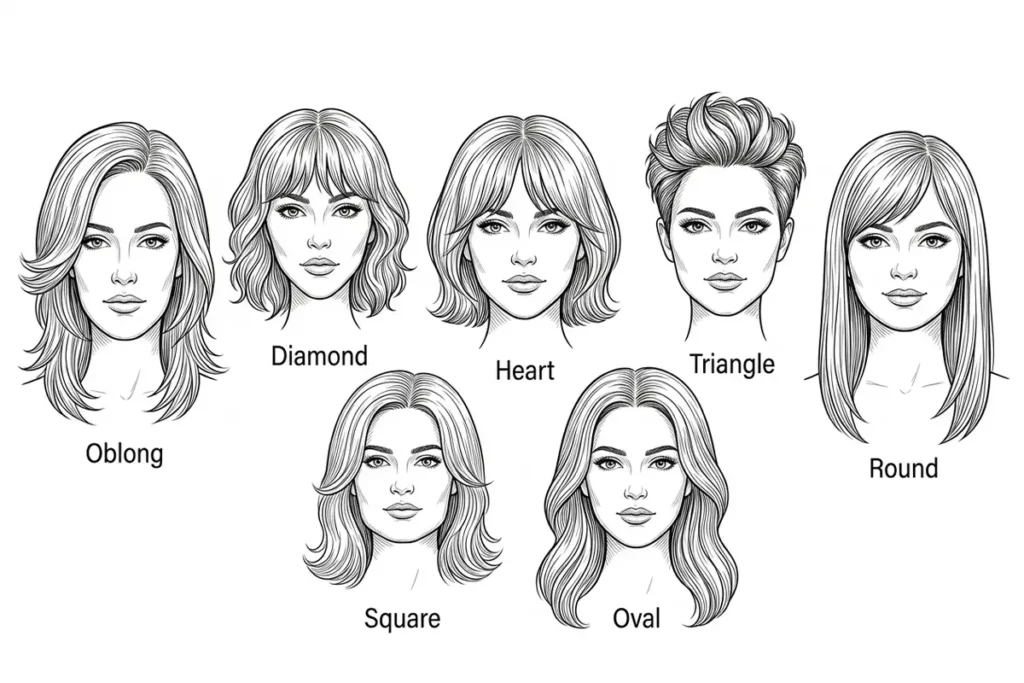
Although every face is unique, most face structures generally fall into several common categories:
- Round
- Square
- Oval
- Rectangular
- Heart-shaped
- Triangle
- Diamond
The goal is not to follow strict rules but to create visual balance between facial proportions and frame geometry.
Best Sunglasses for Round Faces
Round faces usually feature soft curves, fuller cheeks, and similar width-to-length proportions. Because the face lacks strong angles, structured frames help create definition.
Recommended Styles
- Rectangular sunglasses
- Geometric frames
- Square designs
- Polygon shapes
- Angular acetate sunglasses
These styles introduce sharper lines that visually elongate and refine the face.
Styles to Avoid
Very small round frames may exaggerate facial softness and make the face appear wider.
Best Sunglasses for Square Faces
Square faces often feature strong jawlines, broad foreheads, and defined angular features.
Since the facial structure already contains bold lines, softer frame shapes help create a more balanced appearance.
Recommended Styles
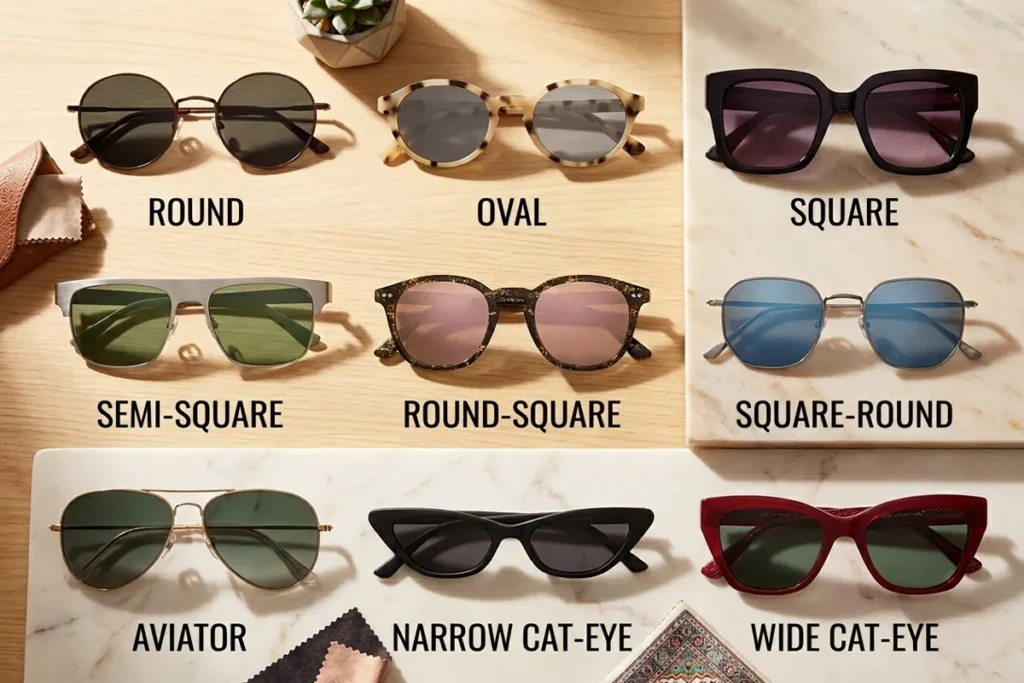
- Round sunglasses
- Oval frames
- Aviator styles
- Cat-eye designs
- Rimless eyewear
These curved shapes soften facial angles and create a more elegant look.
Styles to Avoid
Large square or rectangular frames may make the face appear too rigid or overly angular.
Best Sunglasses for Rectangular Faces
Rectangular faces are typically longer than they are wide and may feature straight cheek lines and a higher forehead.
The ideal frames visually shorten the face while adding width.
Recommended Styles
- Oversized sunglasses
- Rounded wide frames
- Large aviators
- Thick acetate designs
These styles create stronger horizontal balance and reduce the appearance of facial length.
Styles to Avoid
Narrow rectangular frames may exaggerate the long structure of the face.
Best Sunglasses for Triangle Faces
Triangle-shaped faces generally feature a narrower forehead and a wider jawline.
The goal is to soften the lower portion of the face while adding balance to the upper facial area.
Recommended Styles
- Oval sunglasses
- Round frames
- Lightweight metal glasses
- Thin-rimmed styles
These softer shapes reduce the visual heaviness of the jawline and create smoother proportions.
Best Sunglasses for Heart-Shaped Faces
Heart-shaped faces usually feature a broad forehead and a narrow chin.
This face shape naturally appears refined, but balanced eyewear can further improve facial harmony.
Recommended Styles
- Aviator sunglasses
- Round frames
- Oval sunglasses
- Balanced cat-eye styles
These designs soften the forehead area while complementing the narrower lower face.
Styles to Avoid
Extremely sharp geometric frames may overemphasize facial angles.
Best Sunglasses for Diamond Faces
Diamond-shaped faces often include prominent cheekbones, a narrow forehead, and a slim chin.
The goal is to soften cheekbone prominence while adding visual width to the upper face.
Recommended Styles
- Oval sunglasses
- Rounded frames
- Rimless styles
- Soft geometric shapes
These frames help create smoother and more balanced facial proportions.
Choosing Eyewear Based on Skin Tone
Frame color plays an important role in overall appearance. The right color can brighten facial features, complement natural undertones, and enhance personal style.
Eyewear for Fair Skin
People with fair skin often look excellent in strong contrast colors.
Recommended Colors
- Black
- Deep blue
- Burgundy
- Red
- Dark tortoise
- Emerald green
These colors add definition and visual energy.

Eyewear for Warm or Yellow Skin Tones
Warm skin tones generally pair well with softer metallic and earthy shades.
Recommended Colors
- Gold
- Rose gold
- Bronze
- Warm brown
- Olive green
- Light blue
These colors create a natural and harmonious appearance.
Eyewear for Dark Skin Tones
Darker skin tones can successfully carry bold colors and metallic finishes.
Recommended Colors
- Gold
- Silver
- Bright red
- Purple
- Jewel tones
- Deep tortoise
These colors create strong contrast and sophisticated visual impact.
Eyewear for Brown Skin Tones
Brown skin tones often work beautifully with both warm and cool color palettes.
Recommended Colors
- Brown
- Bronze
- Rust
- Olive
- Navy blue
- Transparent acetate
- Matte black
Neutral tones are usually safe and versatile options.
Matching Eyewear With Personal Style
Eyewear should complement your wardrobe and lifestyle rather than compete with them.

Minimalist Fashion
Simple titanium frames, rimless glasses, and clean geometric structures work especially well with modern minimalist clothing.
Casual Style
Acetate sunglasses with soft colors or classic shapes pair naturally with relaxed everyday fashion.
Luxury and Elegant Looks
Premium acetate, gold-tone metal frames, and sophisticated cat-eye sunglasses complement formal outfits beautifully.
Sport and Outdoor Wear
Lightweight performance sunglasses with wraparound designs and polarized lenses offer better functionality for active lifestyles.
Choosing the Right Frame Material
Frame material significantly affects comfort, durability, flexibility, weight, and skin compatibility.
Acetate Frames
Premium acetate remains one of the most respected materials in modern eyewear manufacturing.
Unlike low-quality plastic, acetate offers:
- Lightweight comfort
- Rich color depth
- Flexibility
- Excellent durability
- Luxurious finish quality
Acetate is also generally comfortable against the skin and highly suitable for bold fashion-forward designs.
Titanium Frames
Titanium is considered one of the most advanced materials in premium eyewear.
Advantages of Titanium
- Extremely lightweight
- Hypoallergenic
- Corrosion-resistant
- Durable
- Comfortable for long-term wear
Titanium frames are especially suitable for people with sensitive skin because they reduce irritation and pressure around the nose and ears.
Their clean and modern appearance also aligns perfectly with contemporary design trends.
Stainless Steel Frames
High-quality stainless steel offers an excellent balance between durability and elegance.
Benefits Include
- Structural strength
- Resistance to rust
- Lightweight feel
- Modern appearance
- Good skin compatibility
Stainless steel frames are ideal for refined minimalist designs and professional styling.
Choosing Eyewear for Sensitive Skin
For people with sensitive skin, comfort becomes even more important than appearance alone.
Poor-quality frame materials or rough finishing may cause:
- Redness
- Itching
- Pressure marks
- Skin irritation
- Discomfort behind the ears
One common cause is nickel, which is often found in lower-cost metal alloys.
Best Materials for Sensitive Skin
Titanium
Pure titanium is one of the best options because it is naturally hypoallergenic and highly skin-friendly.
Premium Acetate
High-quality acetate provides smooth skin contact and avoids many of the issues associated with cheap plastics.
Medical-Grade Stainless Steel
Well-finished stainless steel can also provide excellent comfort and durability for many users.
Why Ergonomic Design Is Important
Even the best materials cannot guarantee comfort without proper frame engineering.
A well-designed frame should:
- Distribute weight evenly
- Fit securely without pressure
- Maintain balance during movement
- Prevent slipping
- Adapt naturally to facial structure
Poorly balanced eyewear may create discomfort even when made from expensive materials.
Choosing the Correct Eyewear Size
Frame size directly affects appearance, comfort, and stability.
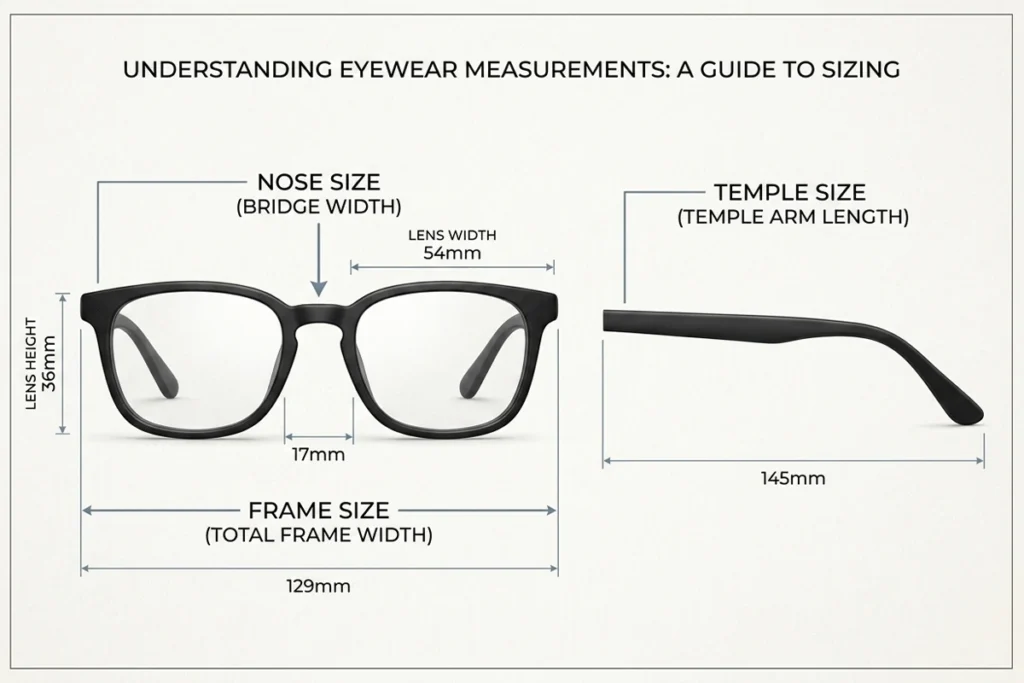
Lens Width
The frame should remain proportional to the width of the face.
Bridge Width
The nose bridge should fit securely without squeezing or sliding.
Temple Length
Temple arms should comfortably extend behind the ears without excessive tightness.
A properly fitted frame improves both comfort and visual balance throughout the day.
Understanding Sunglass Lens Technology
Lens quality is just as important as frame design.
Popular Lens Colors
Gray Lenses
Maintain natural color perception while reducing brightness effectively.
Brown Lenses
Enhance contrast and improve visibility in cloudy or hazy conditions.
Green Lenses
Reduce glare while maintaining balanced color perception.
Yellow Lenses
Improve contrast in low-light environments such as fog or evening driving.
Blue-Gray Lenses
Provide stronger light absorption for very bright outdoor conditions.
Lens Materials
Modern sunglass lenses are commonly produced from:
- CR39
- Nylon
- Polycarbonate
These materials offer lightweight comfort, durability, and strong optical performance.
Glass lenses are now less common because of their weight and fragility.
Essential Lens Coatings
High-quality sunglasses should always include UV protection.
Additional premium coatings may include:
- Anti-reflective layers
- Scratch-resistant coatings
- Oil-resistant surfaces
- Waterproof treatments
- Polarized technology
These features improve clarity, durability, and visual comfort during daily outdoor use.
The Balance Between Fashion and Function
Modern eyewear should never force consumers to choose between appearance and practicality.
The best sunglasses and optical frames combine:
- Contemporary design
- Premium materials
- Ergonomic comfort
- Skin compatibility
- Advanced lens technology
- Long-term durability
Whether selecting sunglasses for summer travel or prescription glasses for daily use, the ideal frame should feel natural, comfortable, and visually aligned with your personality.
Conclusion
Choosing the perfect sunglasses or eyeglasses involves much more than selecting a fashionable frame. The ideal eyewear should complement your face shape, enhance your skin tone, match your lifestyle, support long-term comfort, and provide excellent visual performance.
Understanding the relationship between frame geometry, material technology, ergonomic engineering, and lens functionality allows consumers to make more confident and informed decisions.
Premium acetate, titanium, and stainless steel frames each offer unique advantages in comfort, durability, and aesthetics, while advanced lens technologies improve eye protection and outdoor visibility.
For people with sensitive skin, selecting hypoallergenic materials and well-balanced frame designs becomes especially important. Lightweight construction, smooth finishing, and high-quality engineering can dramatically improve daily wearing comfort.
Ultimately, the perfect pair of glasses is not simply an accessory. It becomes part of your identity, your daily routine, and your personal style—combining fashion, protection, comfort, and confidence in a single essential product.