
Why It Is Important to Tell If Glasses Frames Are Titanium
Titanium eyewear has become one of the most popular choices in the modern optical industry because of its lightweight structure, durability, corrosion resistance, and premium appearance. Among all titanium-based eyewear materials, pure titanium frames are especially valued for their comfort, stability, and hypoallergenic properties. As consumers become more knowledgeable about eyewear materials, interest in genuine pure titanium glasses continues to grow rapidly. If you’re looking for a broader overview of frame styles, materials, and buying considerations, check out our complete guide to choosing eyeglasses.
Pure titanium glasses are widely appreciated by professionals, students, business users, and fashion-conscious consumers because they combine elegant design with long-term wearing comfort. Compared with ordinary metal frames, titanium eyewear offers better resistance to deformation, oxidation, sweat corrosion, and daily wear. In addition, titanium frames are often preferred by people with sensitive skin because the material is generally non-irritating and highly biocompatible.
However, as the popularity of titanium eyewear increases, many imitation products have also appeared on the market. Some frames are labeled as “pure titanium” even though they are actually made from cheaper alloy materials or mixed metals. Because of this, understanding how to identify genuine pure titanium glasses has become extremely important for consumers who want high-quality eyewear.
Before learning how to distinguish pure titanium glasses, it is useful to understand the different types of titanium materials commonly used in eyewear manufacturing.
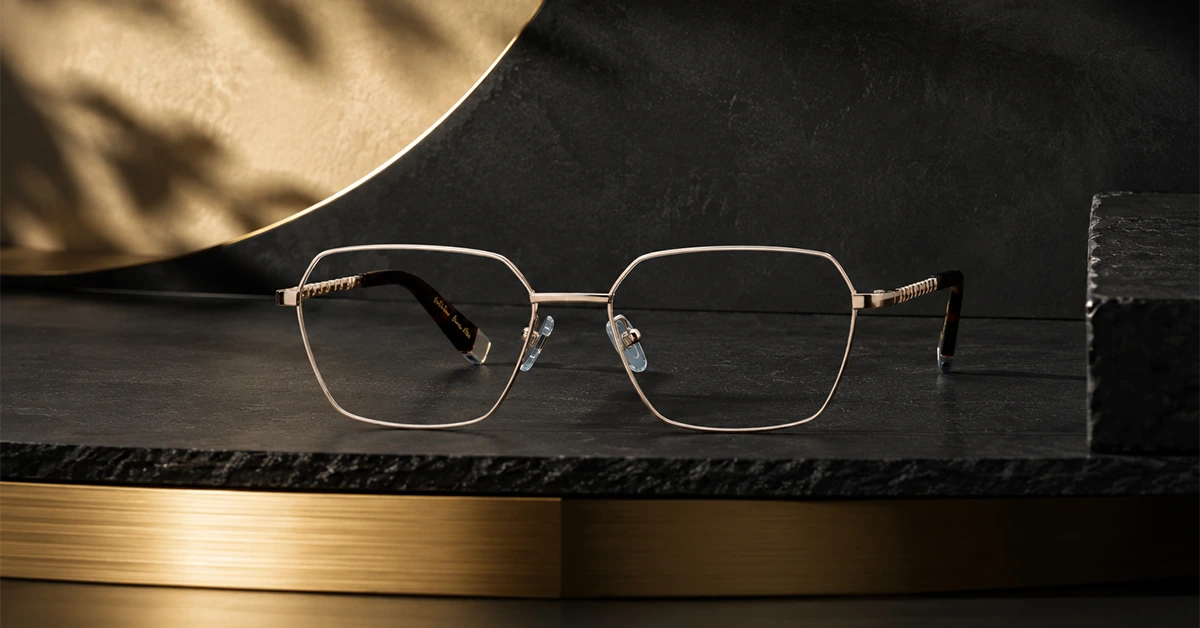
Types of Titanium Used in Eyewear
Titanium eyewear is generally divided into several categories depending on the composition and performance of the material.
Pure Titanium
Pure titanium frames are made primarily from titanium metal with very high purity. These frames are extremely lightweight, corrosion-resistant, durable, and skin-friendly. Pure titanium is known for its excellent strength-to-weight ratio and premium wearing comfort.
Titanium Alloy
Titanium alloy frames combine titanium with other metals to improve certain mechanical properties or reduce production costs. Although titanium alloys still provide good performance, they are generally heavier and less corrosion-resistant than pure titanium.
Beta Titanium
Beta titanium is a flexible titanium alloy with enhanced elasticity and toughness. Frames made from beta titanium are highly flexible and resistant to deformation, making them suitable for lightweight and comfortable eyewear designs.
Memory Titanium
Memory titanium materials can return to their original shape after bending or twisting. This material is often used in flexible eyewear structures designed for durability and impact resistance.
As titanium processing technology continues to improve, eyewear manufacturers can now produce increasingly advanced titanium frame designs with thinner structures, improved flexibility, and more sophisticated aesthetics.
Pure titanium eyewear vs Metal eyewear
Why Pure Titanium Glasses Are So Popular
Pure titanium eyewear offers several advantages that make it one of the most desirable materials in the premium eyewear market.
Lightweight Comfort
One of the biggest advantages of pure titanium is its low density. Titanium frames are significantly lighter than many traditional metal frames, reducing pressure on the nose bridge and ears during extended wear.
Corrosion Resistance
Titanium naturally resists corrosion caused by sweat, moisture, humidity, and environmental exposure. This makes titanium eyewear highly durable and suitable for long-term daily use.
Hypoallergenic Properties
Pure titanium is generally non-reactive and skin-friendly, making it an excellent choice for individuals who experience irritation or allergies from conventional metal frames.
High Strength
Despite its lightweight structure, titanium offers exceptional mechanical strength. Titanium frames maintain their shape well and resist deformation during everyday use.
Elegant Appearance
Titanium eyewear often features a refined and minimalist aesthetic that appeals to consumers seeking a premium and modern look.
How to Identify Genuine Pure Titanium Glasses
Because imitation titanium products are common in the eyewear market, learning several practical identification methods can help consumers distinguish genuine pure titanium frames from ordinary metal or alloy frames.
-
Examine the Nose Pad Welding Area
One of the most reliable ways to identify pure titanium glasses is by observing the welding points around the nose pad stem and nose pad holder.
Pure Titanium Welding
Pure titanium frames are typically manufactured using oxygen-free welding techniques. The weld marks often appear cleaner and more uniform, creating a smooth stepped transition at the connection points.
Alloy Welding
Frames made from ordinary alloys often use traditional spot welding methods. The welding marks may appear rougher or more sloped in appearance.
Because titanium requires specialized welding technology, examining the nose pad area can provide important clues about the authenticity of the material.
-
Check the Hinges for Spacers or Gaskets
Another useful method is inspecting the hinge structure carefully.
In genuine pure titanium frames, manufacturers often avoid direct titanium-to-titanium friction at the hinge connection. Continuous contact between titanium surfaces may affect the smooth opening and closing of the temples over time.
To solve this issue, many high-quality pure titanium frames include small spacers or thin gaskets between the hinge components.
When viewed closely from the inside of the frame, these tiny inserts or grooves may be visible near the hinges. Their presence often indicates a more advanced pure titanium construction.
-
Use a Magnet Test
Magnetic testing is one of the simplest ways to check whether a frame may contain non-titanium metals.
How to Perform the Test
- Open the temples fully.
- Hold a small magnet near the frame hinges or temples.
- Observe whether the frame reacts to the magnetic force.
Interpretation
- If the frame is strongly attracted to the magnet, it likely contains steel or other magnetic metals.
- Pure titanium itself is non-magnetic, so genuine titanium frames usually show little or no magnetic reaction.
However, consumers should remember that some hinges or screws may still contain small non-titanium components, so this method should be used together with other identification techniques.
-
Compare the Weight by Hand
Pure titanium frames are noticeably lighter than most ordinary metal frames.
Density Comparison
- Traditional alloy frames generally feel heavier because of their higher density.
- Pure titanium has a much lower density while still maintaining excellent strength.
When held by hand, pure titanium glasses usually feel surprisingly lightweight compared with stainless steel or conventional alloy frames of similar size.
Although this method is subjective, experienced eyewear users can often distinguish titanium frames simply by their reduced weight and balanced feel.
-
Inspect the Temple Markings
Many genuine titanium eyewear products include material markings engraved or printed on the inside of the temples.
Common markings may include:
- Pure Titanium
- Titanium
- Ti
- Beta Titanium
- Memory Titanium
These labels help identify the material used in the frame construction.
However, consumers should also understand that markings alone cannot guarantee authenticity because counterfeit products may imitate these engravings. Material markings should therefore be considered together with physical inspection methods.
Differences Between Pure Titanium and Titanium Alloy Frames
Although pure titanium and titanium alloy glasses may appear similar at first glance, there are several important differences.
Weight
Pure titanium frames are generally lighter than titanium alloy frames.
Flexibility
Titanium alloys may offer greater flexibility depending on their composition, while pure titanium often prioritizes lightweight rigidity and corrosion resistance.
Corrosion Resistance
Pure titanium usually provides stronger resistance to oxidation and sweat corrosion.
Skin Sensitivity
Pure titanium is typically more suitable for users with sensitive skin because it contains fewer additional metal elements.
Price
Pure titanium glasses are often more expensive because of the higher material purity and more demanding manufacturing process.
Why Titanium Eyewear Manufacturing Is Difficult
Producing high-quality titanium eyewear requires advanced manufacturing technology and specialized equipment.
Titanium processing involves:
- Precision cutting
- High-temperature forming
- Specialized welding
- Surface polishing
- Corrosion-resistant finishing
Because titanium is harder to process than many ordinary metals, manufacturing costs are significantly higher. The welding and polishing stages require particularly high technical precision.
For this reason, genuine pure titanium glasses are usually positioned in the premium segment of the eyewear market.
Common Misunderstandings About Titanium Glasses
“All Lightweight Frames Are Titanium”
Not all lightweight frames are made from titanium. Some aluminum alloys and composite materials may also feel light but do not provide the same durability or corrosion resistance.
“Magnet Testing Alone Is Enough”
Although titanium itself is non-magnetic, some titanium glasses may still include magnetic screws or hinge parts. A full inspection should combine multiple identification methods.
“Titanium Frames Never Bend”
Titanium is strong and durable, but it is not indestructible. Excessive force or improper adjustment may still damage the frame.
How to Choose High-Quality Titanium Glasses
When purchasing titanium eyewear, consumers should pay attention to several important factors:
- Overall frame weight and comfort
- Welding quality and finishing details
- Smooth hinge movement
- Surface texture and polishing consistency
- Clear material labeling
- Professional craftsmanship
- Balanced structural design
High-quality titanium glasses usually demonstrate excellent precision in both construction and appearance.
The Growing Demand for Titanium Eyewear
The increasing popularity of titanium glasses reflects broader trends in modern eyewear design. Consumers today expect eyewear to provide not only visual correction but also comfort, durability, style, and advanced material performance.
Titanium frames successfully combine these qualities, making them one of the most respected materials in the premium eyewear industry.
As manufacturing technology continues to improve, future titanium eyewear designs are expected to become even lighter, more flexible, and more sophisticated. Advanced hybrid materials, minimalist structures, and innovative engineering solutions will continue pushing titanium eyewear into new levels of performance and design excellence.