
Understanding Metal Surface Texturing in Eyewear
The eyewear industry has evolved far beyond its original function of vision correction. Today, glasses are also fashion accessories, personal statements, and expressions of individual style. As consumer expectations continue to rise, manufacturers are exploring new ways to differentiate their products, and surface finishing has become one of the most important areas of innovation.
Among the many decorative techniques available, metal surface texturing has gained significant attention for its ability to transform ordinary frames into distinctive, premium-looking products. By creating depth, contrast, and unique visual effects on metal surfaces, this technology offers designers a powerful tool for developing eyewear that stands out in a competitive market. For more factors that influence your purchasing decision, explore our guide to choosing the right eyewear.
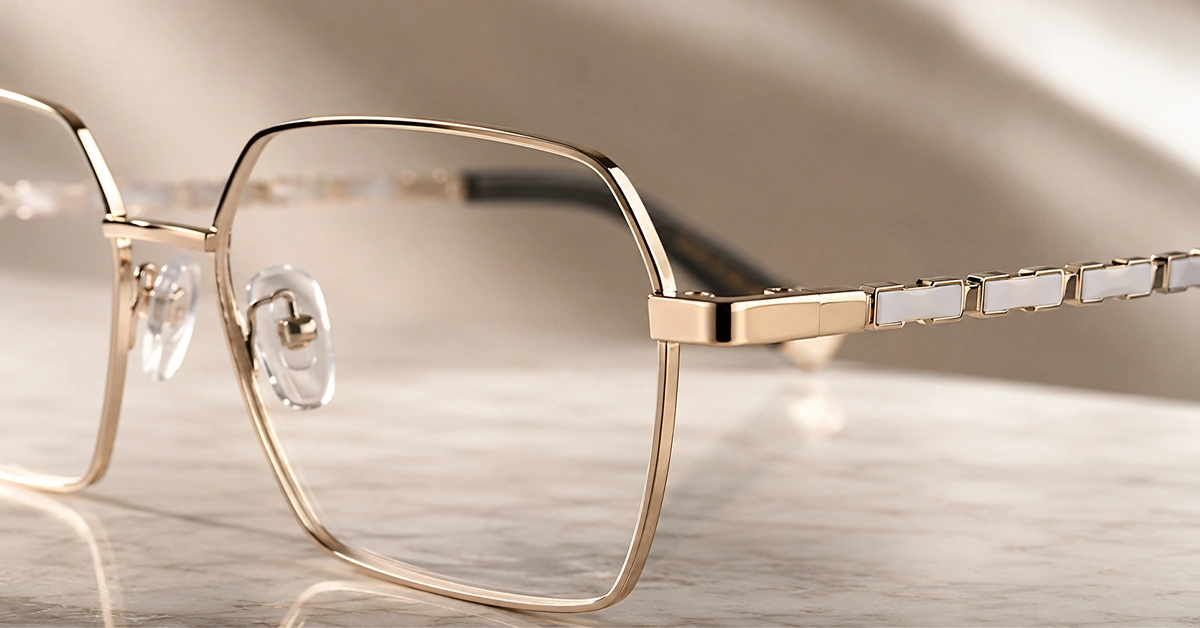
The Growing Appeal of Textured Metal Finishes
Modern consumers are increasingly attracted to products that feel authentic and unique. While polished and highly reflective surfaces remain popular, there is also a growing demand for finishes that convey character, history, and craftsmanship.
This trend can be seen across multiple industries, including watches, jewelry, furniture, and automotive design. In eyewear, textured metal finishes help create a sense of individuality that cannot be achieved through color alone. The subtle interaction between light and surface texture gives a frame a richer visual identity and a more sophisticated appearance.
Many designers have also embraced antique-inspired aesthetics. Aged bronze tones, brushed titanium effects, and vintage-style metal treatments appeal to consumers who appreciate products that feel timeless rather than trend-driven.
How Metal Texturing Technologies Work
Metal texturing refers to a group of manufacturing processes that modify the surface of a metal component to create patterns, relief effects, or decorative structures. Depending on the desired result, manufacturers may use chemical etching, laser engraving, mechanical processing, or a combination of multiple techniques.
The goal is not simply decoration. Carefully controlled surface modification can produce subtle variations in depth that influence how light reflects from the material. Even microscopic changes in surface geometry can create dramatic visual effects when viewed from different angles.
Unlike traditional printing or painting, textured finishes become part of the metal itself, resulting in greater durability and a more premium feel.
Benefits for Eyewear Manufacturers
For eyewear brands, surface texturing provides several advantages.
First, it increases product differentiation. In a market crowded with similar frame shapes, unique surface treatments can immediately capture consumer attention.
Second, textured surfaces often enhance the perceived value of a product. Customers frequently associate intricate details and specialized finishing techniques with higher quality and craftsmanship.
Third, these finishes offer greater design flexibility. Manufacturers can create geometric patterns, artistic motifs, vintage-inspired textures, or modern minimalist effects without significantly altering the frame’s structural design.
As a result, the same basic frame construction can support multiple collections targeted at different customer segments.
Applications in Titanium and Stainless Steel Frames
Titanium and stainless steel remain two of the most widely used materials in premium eyewear production. Both materials offer excellent strength, corrosion resistance, and durability, making them ideal candidates for advanced surface treatments.
Titanium, in particular, benefits from decorative texturing because its naturally smooth appearance can be enhanced with subtle patterns that add depth and character. Stainless steel provides even greater flexibility, allowing manufacturers to create a wide range of textures and visual effects while maintaining excellent structural performance.
When combined with modern coating technologies, textured metal surfaces can achieve remarkable visual complexity without compromising durability.
Combining Texture with Advanced Coatings
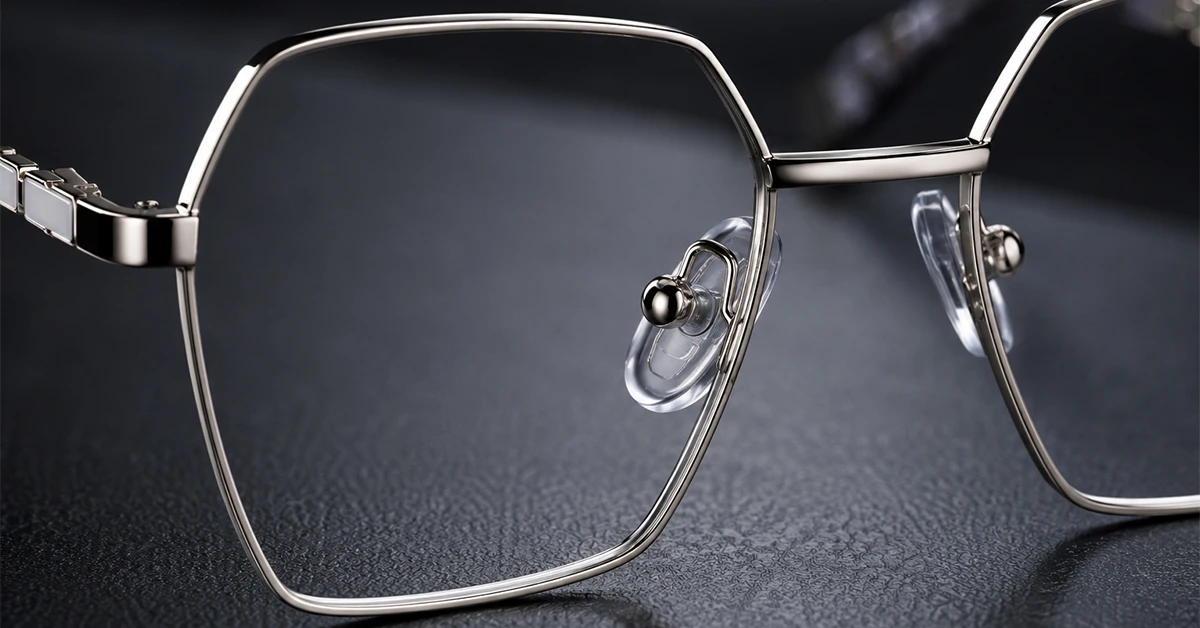
One of the most exciting developments in recent years has been the integration of surface texturing with advanced coating systems such as PVD (Physical Vapor Deposition).
This combination allows manufacturers to layer color, texture, and reflectivity in a single product. Matte areas can be contrasted with polished regions, while dark metallic tones can be paired with raised textures to create a sophisticated three-dimensional appearance.
The result is a level of visual refinement that was difficult to achieve using conventional finishing methods alone.
Sustainability and Future Development
As environmental concerns become increasingly important, manufacturers are also seeking more sustainable approaches to metal finishing. New chemical formulations, improved waste-treatment systems, and energy-efficient production methods are helping reduce the environmental impact of decorative metal processing.
At the same time, advances in digital manufacturing and automation are enabling greater precision and consistency. Computer-controlled systems can now reproduce highly detailed textures with exceptional accuracy, making complex surface designs suitable for large-scale production.
Looking ahead, emerging technologies such as micro-structuring and nano-scale surface engineering may open entirely new possibilities for eyewear design. These innovations could provide not only aesthetic benefits but also functional improvements such as enhanced scratch resistance, reduced fingerprint visibility, and improved wear performance.
Conclusion
Surface finishing is no longer a secondary consideration in eyewear manufacturing. It has become a critical element of product development, influencing both visual appeal and perceived value.
Metal texturing technologies offer designers new opportunities to create frames that feel distinctive, premium, and emotionally engaging. Whether inspired by traditional craftsmanship or modern industrial design, these finishes help bridge the gap between functionality and artistic expression.
As consumer demand for personalized and visually unique products continues to grow, advanced metal surface treatments, including metal burnout technology, are likely to play an increasingly important role in the future of eyewear design.